




Vetiver is most closely related to Sorghum while sharing many morphological characteristics with other fragrant grasses, such as lemongrass (Cymbopogon citratus), citronella (Cymbopogon nardus, C. winterianus), and palmarosa (Cymbopogon martinii).
Vetiver is derived from the Tamil வெட்டிவேர் (veṭṭivēr) meaning ‘root that is dug up’. In Northern India it is also called khus (‘grass’, not to be confused with khus khus, which refers to poppy seed).
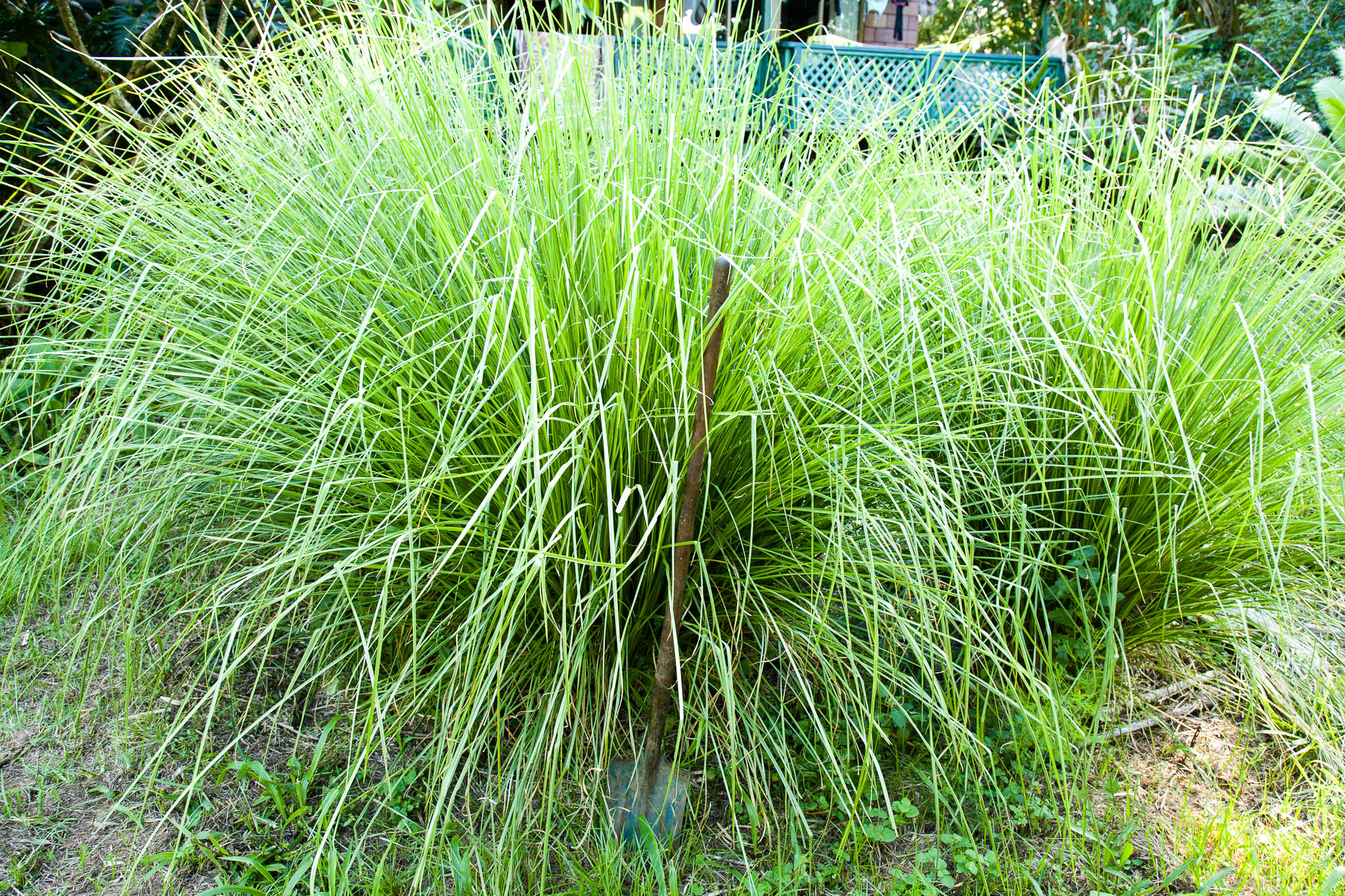
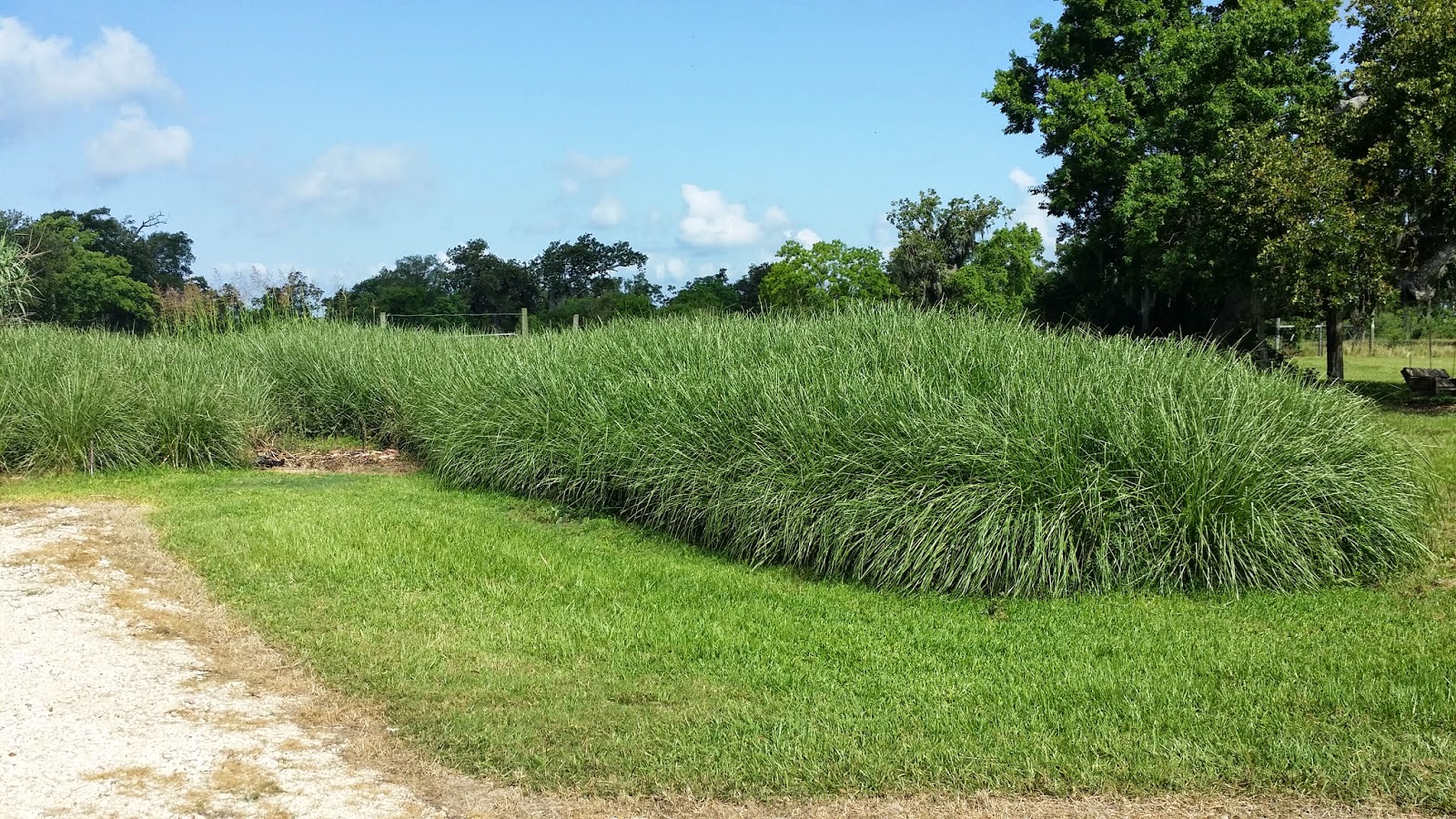
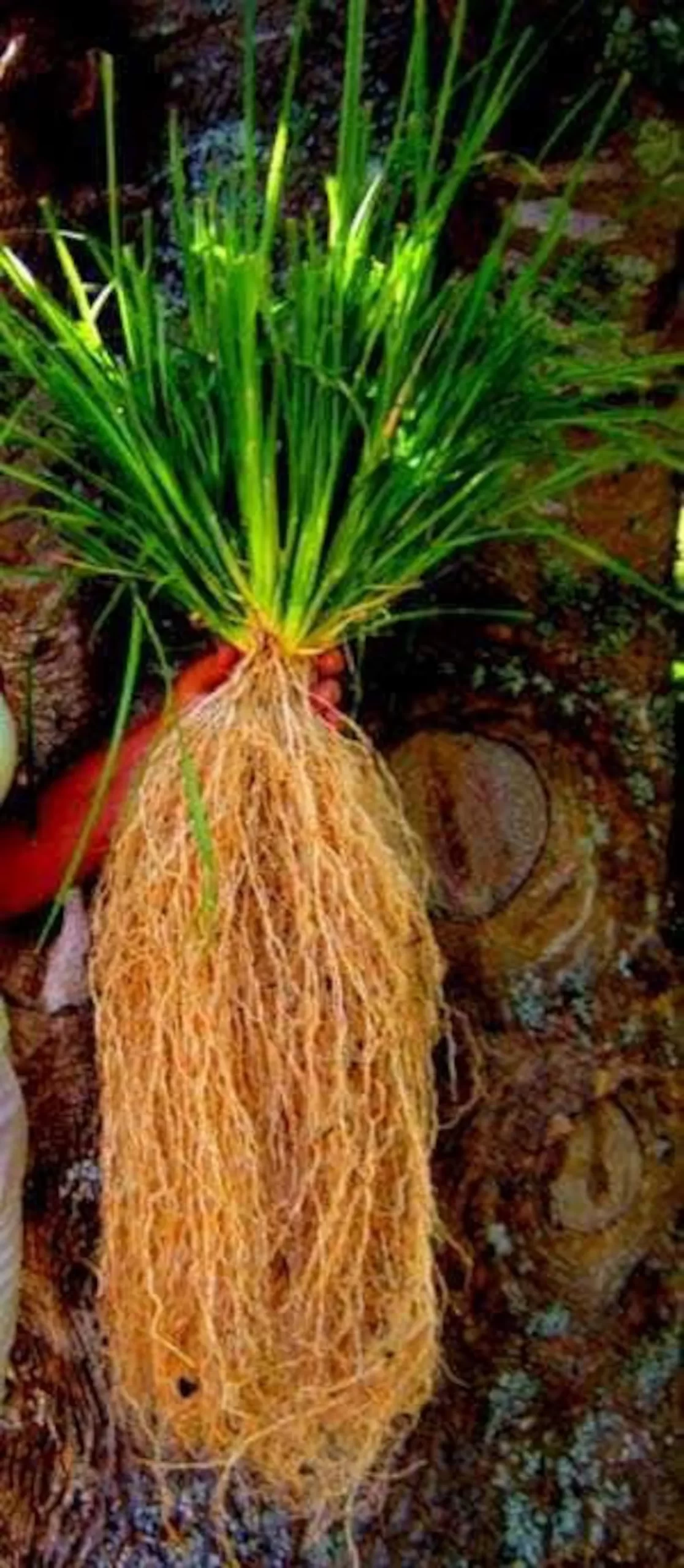
Under favorable conditions, the erect culms can reach three meters in height. The stems are tall and the leaves are long, thin, and rather rigid. The flowers are brownish-purple. Unlike most grasses, which form horizontally spreading, mat-like root systems, vetiver’s roots grow downward, two to four meters (7–13 ft) in depth.
The plant stems are erect and stiff. They can survive deep water flow.
Vetiver grass is grown for many purposes. The plant helps to stabilize soil and protects it against erosion, but it can also protect fields against pests and weeds. Vetiver has favorable qualities for animal feed. From the roots, oil is extracted and used for cosmetics, aromatherapy, herbal skincare and ayurvedic soap. Its fibrous properties make it useful for handicrafts, ropes and more.
- Botanical name: Chrysopogon zizanioides
- Origin: India
- Height: Vetiver grows to 5 ft high and forms clumps as wide.
- Flowering: Vetiver produces small brown-purple flowers in long spikes, but the exact flowering date can vary based on local climate and growing conditions. Generally, it flowers during the growing season
- Sun exposure: Vetiver prefers sunny areas with at least four hours of direct sunlight daily. It won’t grow well in complete shade. If you’re cultivating vetiver, make sure it receives adequate sunlight to thrive.
When planting vetiver grass (Chrysopogon zizanioides), follow these instructions for successful establishment:
- Spacing and Planting:
– Dig holes or trenches, spacing them 6 to 12 inches apart, depending on the desired density.
– Place the vetiver grass slips or root divisions in the holes, ensuring that the crown is level with the soil surface.
– Backfill the holes and gently firm the soil around the root system. - Root Preparation:
– Cut off the fibrous roots and leaves on the slips before planting.
– For optimal growth, plant the slips vertically, leaving about 2-3 inches of the slip above the soil surface. - Fertilization:
– Apply about 100 kg of farm-yard manure (FYM) per 100 running meters of hedgerow at planting. If FYM is not available, use di-ammonium phosphate (DAP) at about 10 kg per 100 meters.
FYM helps improve moisture availability during establishment.
– Slow-release NPK nuggets for containerized plant material can optimize growth rates. - Watering:
– Water the hedge if no rain is immediately forecast. This helps settle the soil around the crown of the slip for faster establishment.
Reviews
There are no reviews yet.