


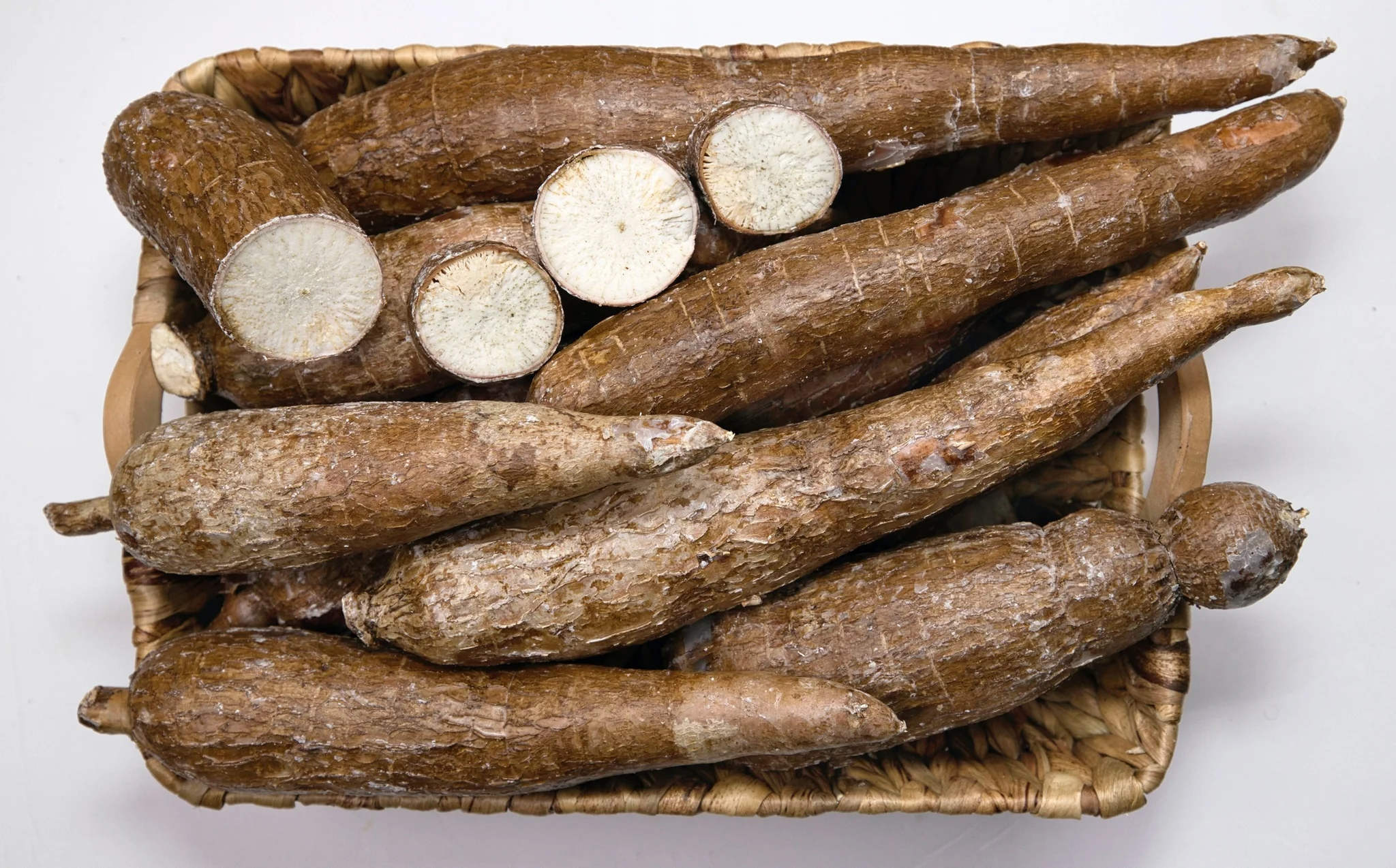
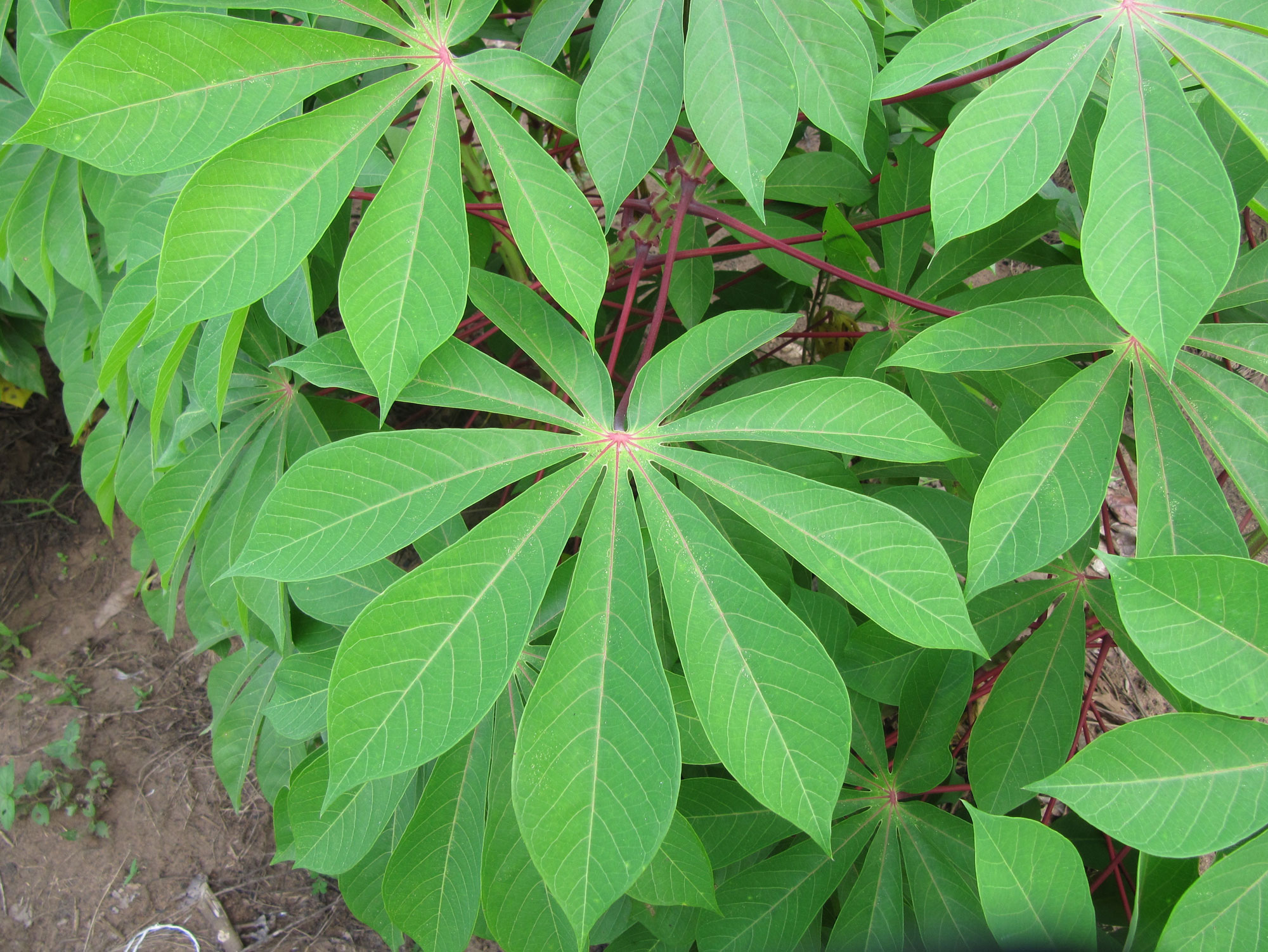
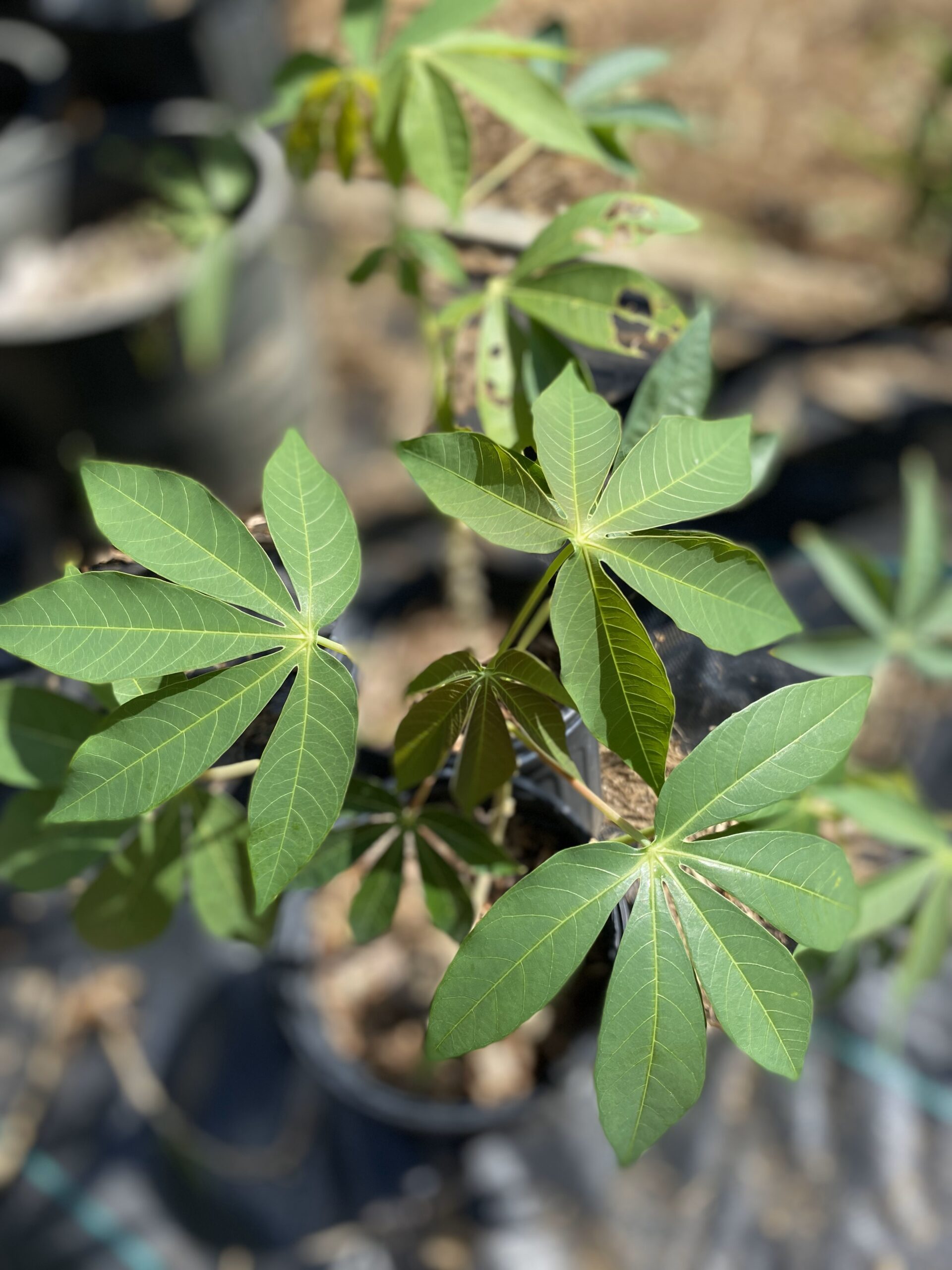
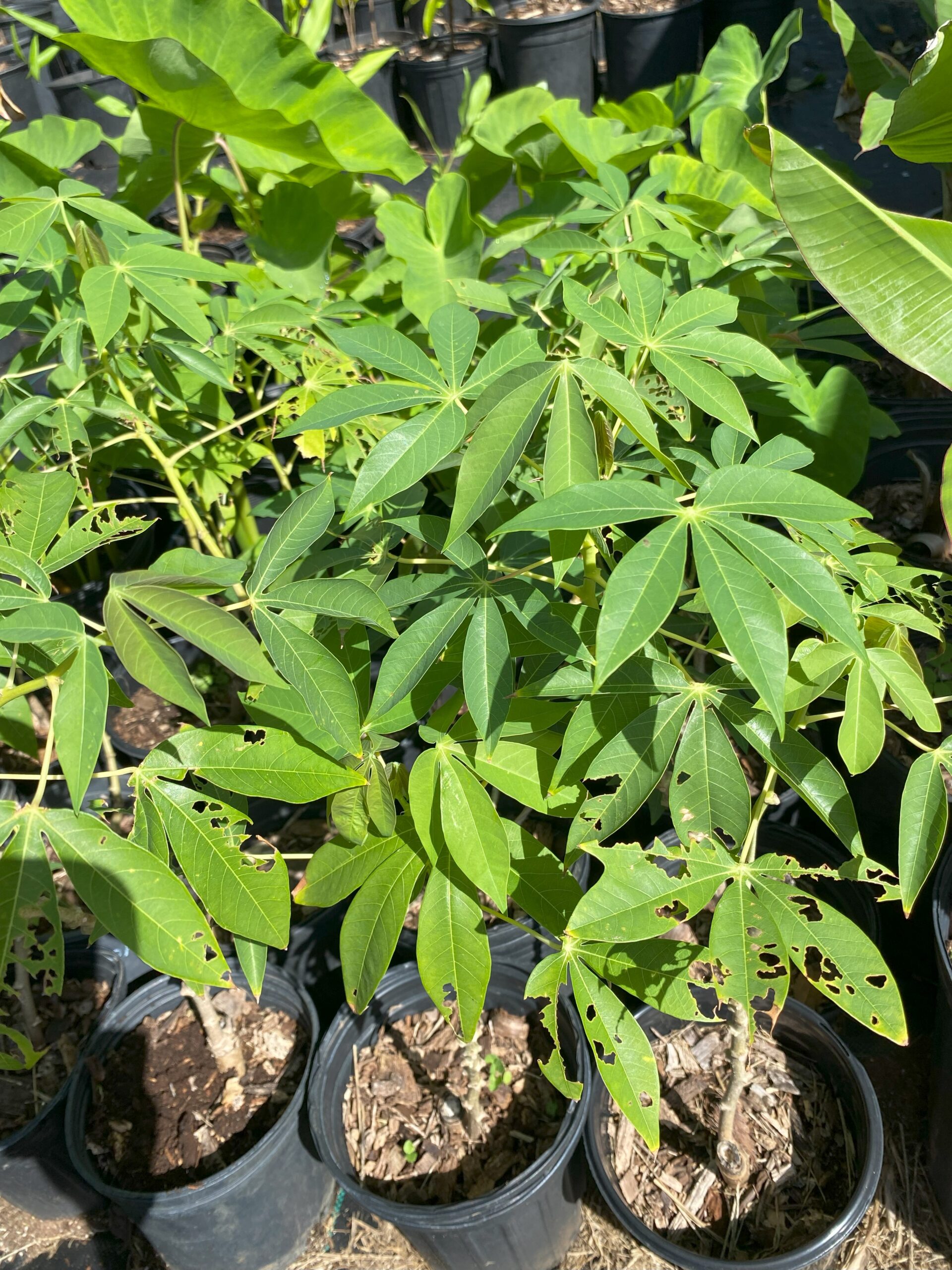
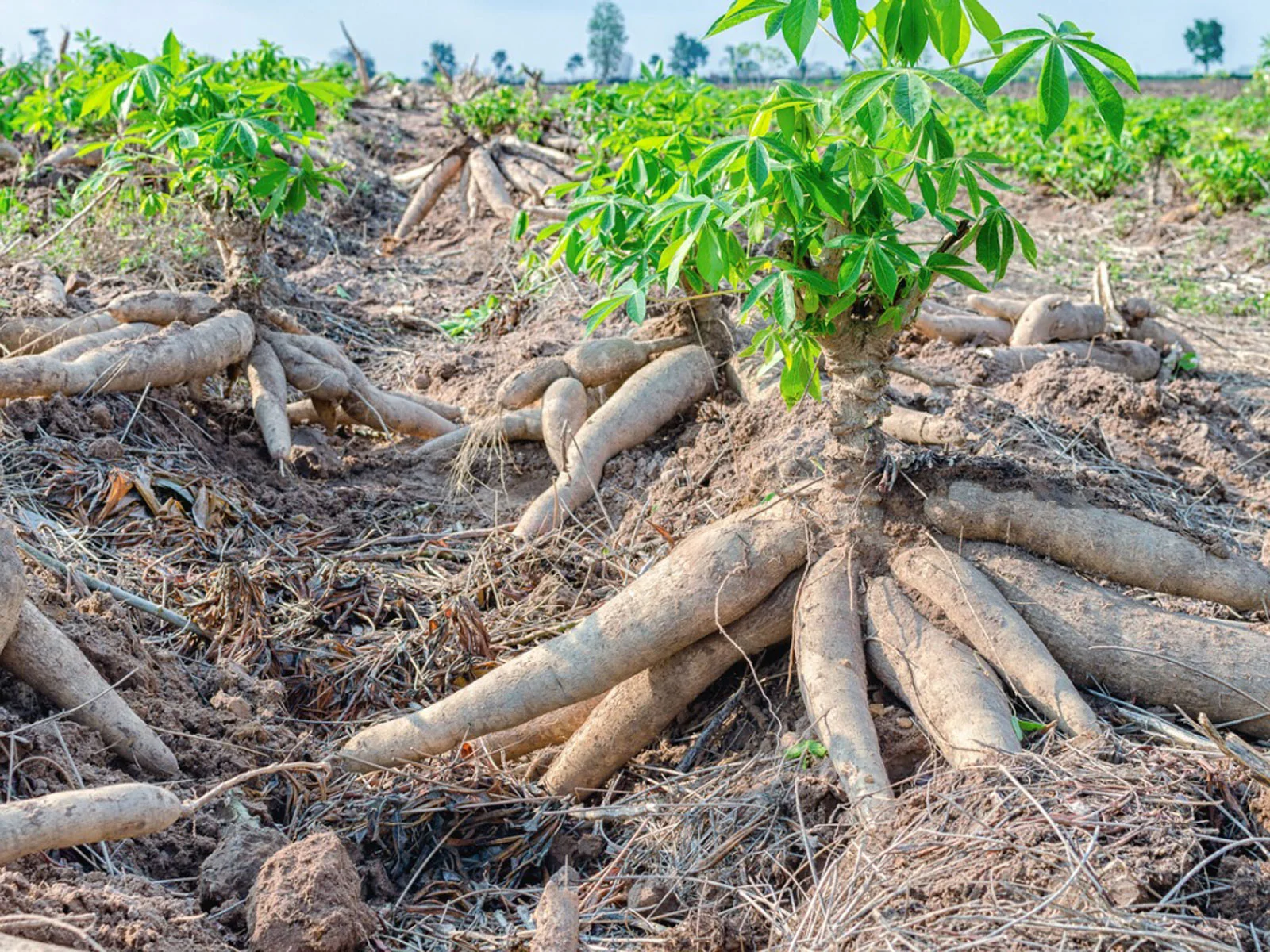


Cassava, also known as yuca or mandioca, is a versatile and resilient plant that thrives in Hawaii’s tropical climate. Here’s a bit more about growing cassava in Hawaii:
Climate: Cassava prefers warm, humid conditions and plenty of sunlight. Hawaii’s tropical climate, especially in USDA Hardiness Zones 9 and above, is ideal for cassava growth.
Soil: Cassava can grow in a variety of soils, but it thrives best in well-drained, loamy soil. The soil should be prepared by removing any rocks and adding organic matter to improve fertility.
Planting: Cassava can be grown from cuttings or seeds. Cuttings are typically 5-6 inches long and should be planted horizontally or semi-buried in the soil. Planting is best done at the end of January or early February to take advantage of the rainy season.
Watering: Regular watering is essential, especially during the initial growth period. Once established, cassava is relatively drought-tolerant but benefits from consistent moisture.
Harvesting: Cassava is usually ready for harvest 9-12 months after planting. The roots can be dug up when the plant reaches about 6 feet in height. Fresh roots have a short shelf life and should be prepared the same day they are harvested.
Uses of Cassava:
Cassava is a staple food in many tropical regions and can be used in various ways:
Cooking: The starchy roots can be boiled, baked, or fried, similar to potatoes. They can also be processed into flour, tapioca, and other products.
Culinary Uses: Cassava fries, chips, and traditional Polynesian dishes are popular ways to enjoy this versatile root.
Animal Feed: Cassava can also be used as animal feed due to its high carbohydrate content.
Cassava is a valuable addition to any tropical garden, providing both food and resilience in challenging conditions.
Reviews
There are no reviews yet.