




Fertilizer and Irrigation: Ginger is a heavy feeder and needs regular fertilization, ideally once a month. Unlike many other types of flowers, it flowers the most heavily when fertilized with a solution that is higher in nitrogen.
These plants require consistent moisture, so never let them dry out. If your climate experiences hot, dry summers, you may need to water them daily.
Sun exposure: Ginger plants can grow in full sun or partial shade but cannot tolerate heavy shade.
Origin: Southeast Asia
Hawaii’s lush landscapes are home to some truly spectacular ginger flowers. These vibrant blooms not only add a tropical touch to the islands but also fill the air with their sweet fragrance. Here are a few varieties you might find in Hawaii:
Red Ginger (Alpinia purpurata): Red Ginger is known for its striking red bracts, which are often mistaken for flowers. The actual flowers are small and white, nestled within the bracts. The plant can grow up to 15 feet tall, making it quite impressive in any garden.
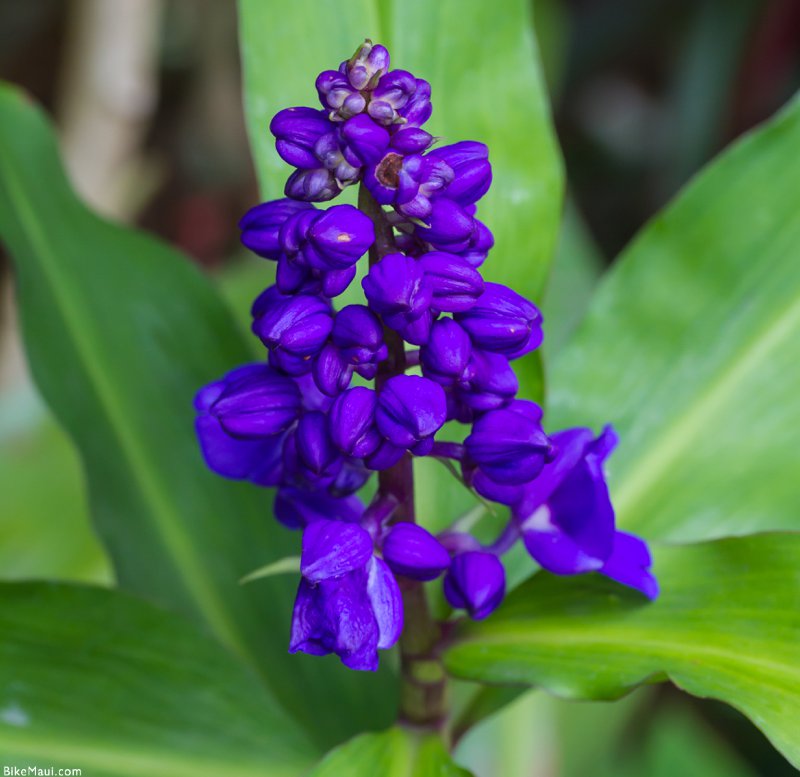
Blue Ginger (Dichorisandra thyrsiflora) is a stunning plant that has features clusters of vibrant blue-purple flowers that can grow up to 8 inches long. The flowers have three petals, three sepals, and bright yellow stamens, The plant can reach heights of up to 6 feet.
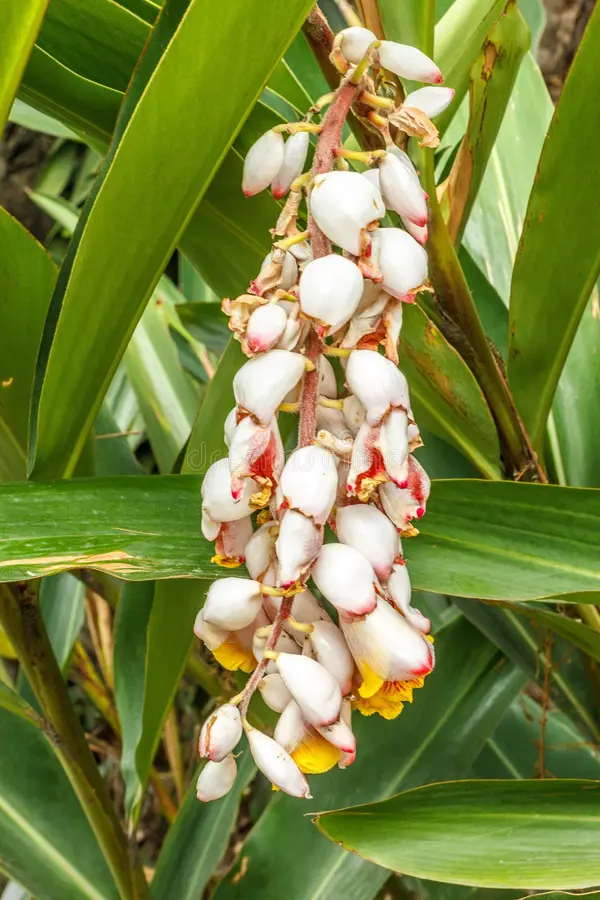
Shell Ginger (Alpinia zerumbet) is a beautiful tropical plant known for its lush foliage and unique flowers that are waxy, shell-like, and come in shades of pink, red, or white, often with red, purple, or brown accents.
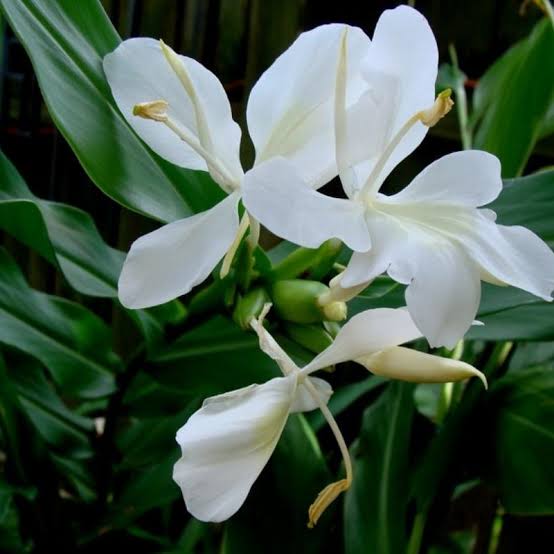
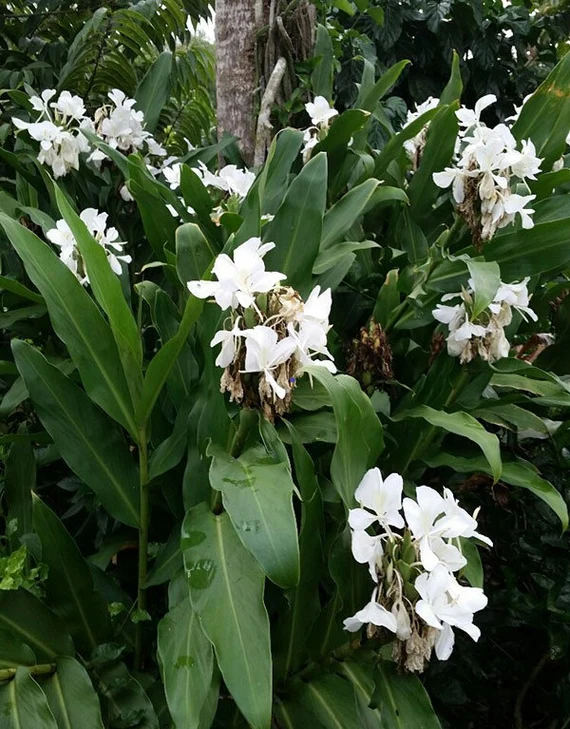
White butterfly Ginger (Hedychium coronarium) It is an upright perennial which may reach 3.3–9.8 ft in height. It has long pointed leaves, with heavily scented white flowers with yellow bases. In its native environment flowering occurs between August and December.
Reviews
There are no reviews yet.