


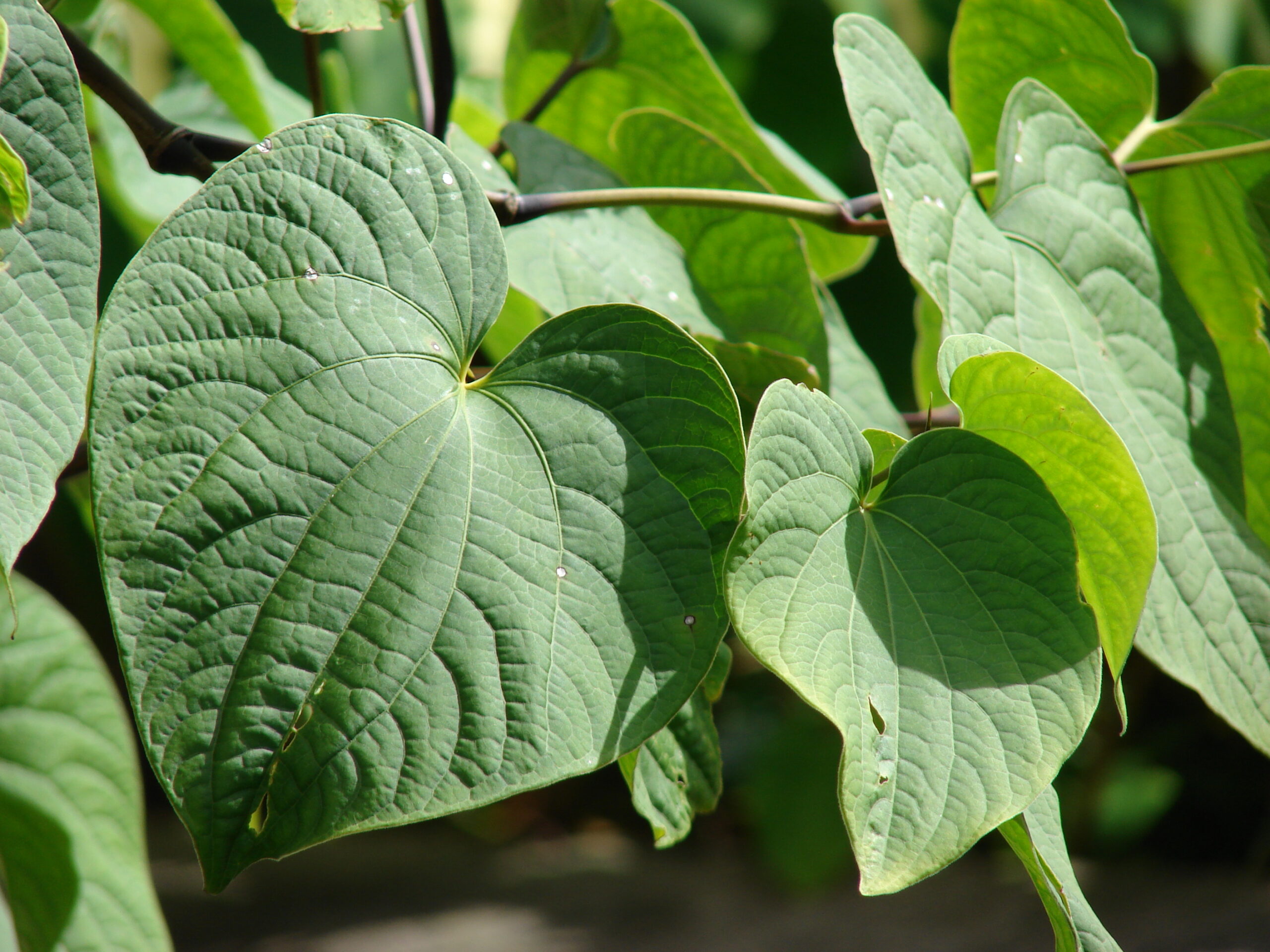
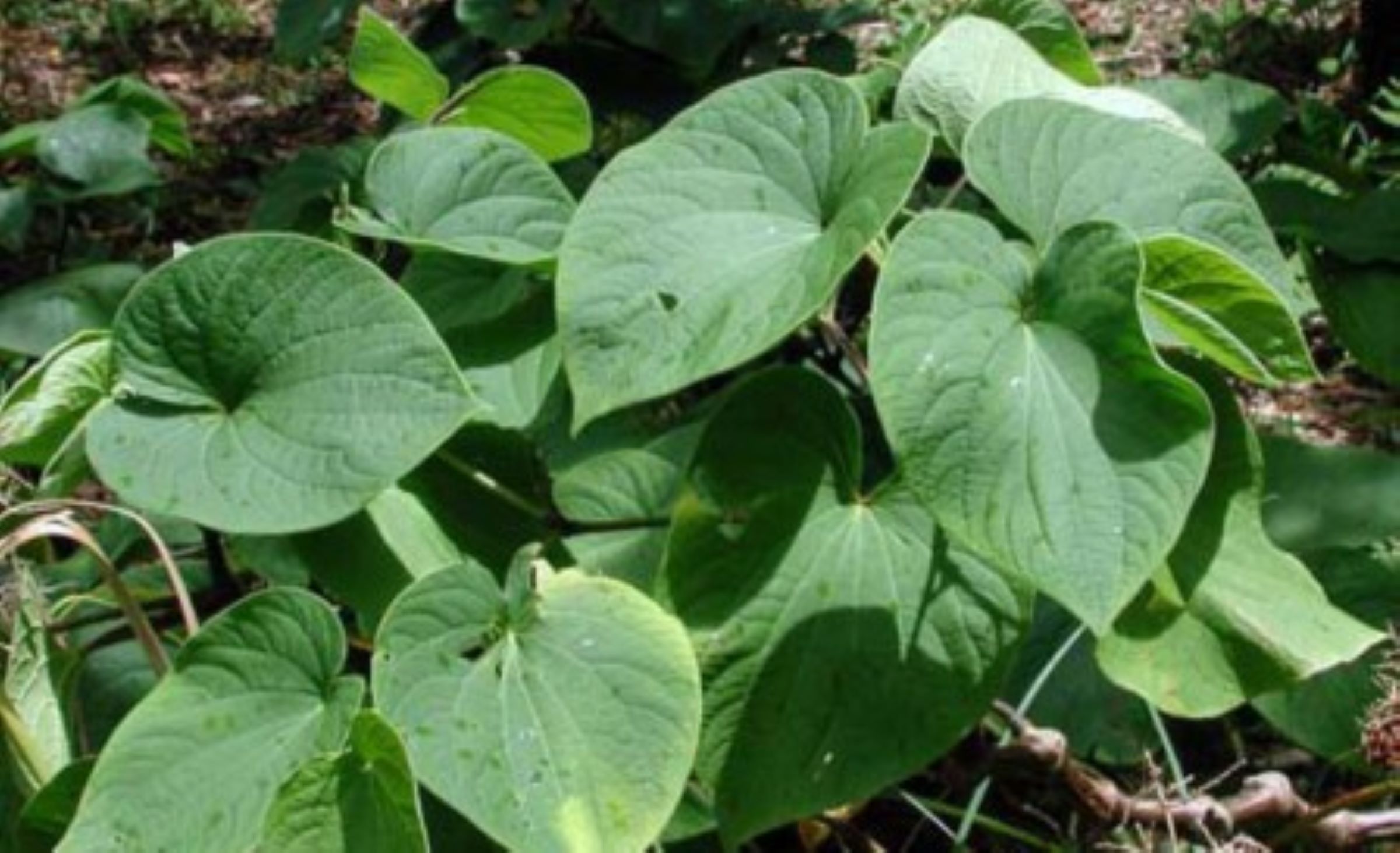
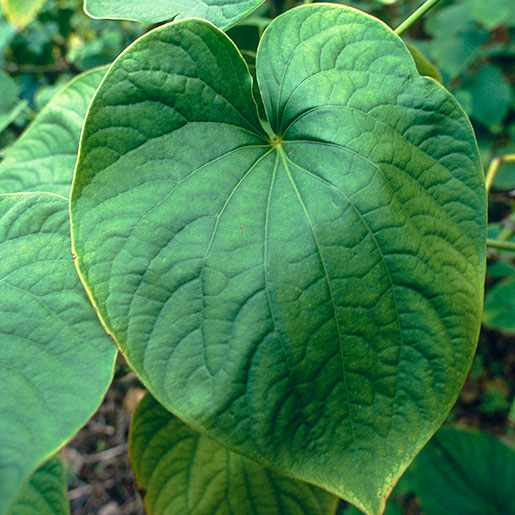
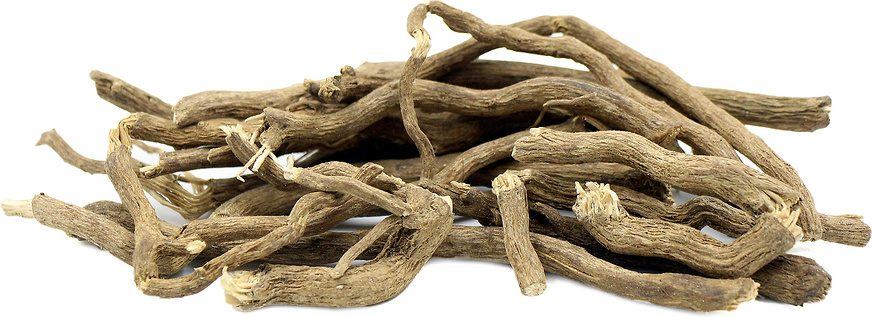


Kava or kava kava (Piper methysticum: Latin ‘pepper’ and Latinized Greek ‘intoxicating’) is a crop of the Pacific Islands. The name kava is from Tongan and Marquesan, meaning ‘bitter’; other names for kava include ʻawa (Hawaiʻi), ʻava (Samoa), yaqona or yagona (Fiji), sakau (Pohnpei), seka (Kosrae), and malok or malogu (parts of Vanuatu). Kava is consumed for its sedating effects throughout the Pacific Ocean cultures of Polynesia, including Hawaii and Vanuatu, Melanesia, some parts of Micronesia, such as Pohnpei and Kosrae, and the Philippines.
The root of the plant is used to produce a drink with sedative, anesthetic, and euphoriant properties. Its active ingredients are called kavalactones. A systematic review done by the British nonprofit Cochrane concluded it was likely to be more effective than placebo at treating short-term anxiety.
Moderate consumption of kava in its traditional form, as a water-based suspension of kava roots, has been deemed to present an “acceptably low level of health risk” by the World Health Organization. However, consumption of kava extracts produced with organic solvents, or excessive amounts of poor-quality kava products, may be linked to an increased risk of adverse health outcomes, including potential liver injury.
Kava originated in either New Guinea or Vanuatu by seafarers. It was spread by the Austronesian Lapita culture after contact eastward into the rest of Polynesia. It is endemic to Oceania and is not found in other Austronesian groups. Kava reached Hawaii, but it is absent in New Zealand, where it cannot grow. Consumption of kava is also believed to be the reason why betel chewing, ubiquitous elsewhere, was lost for Austronesians in Oceania.
Over centuries, kava has been used in the traditional medicine of the South Pacific Islands for central nervous system and peripheral effects. As noted in one literature review: “Peripherally, kava is indicated in traditional Pacific medicine for urogenital conditions (gonorrhea infections, chronic cystitis, difficulty urinating), reproductive and women’s health, gastrointestinal upsets, respiratory ailments (asthma, coughs, and tuberculosis), skin diseases and topical wounds, and as an analgesic, with significant subtlety and nuance attending the precise strain, plant component (leaf, stem, root) and preparative method to be used”.
Kava is consumed in various ways throughout the Pacific Ocean cultures of Polynesia, Vanuatu, Melanesia, and some parts of Micronesia and Australia. Traditionally, it is prepared by either chewing, grinding, or pounding the roots of the kava plant. Grinding is done by hand against a cone-shaped block of dead coral; the hand forms a mortar and the coral a pestle. The ground root/bark is combined with only a little water, as the fresh root releases moisture during grinding. Pounding is done in a large stone with a small log. The product is then added to cold water and consumed as quickly as possible.
The extract is an emulsion of kavalactone droplets in starch and buttermilk. The taste is slightly pungent, while the distinctive aroma depends on whether it was prepared from dry or fresh plant, and on the variety. The colour is grey to tan to opaque greenish.
Kava prepared as described above is much more potent than processed kava. Chewing produces the strongest effect because it produces the finest particles. Fresh, undried kava produces a stronger beverage than dry kava. The strength also depends on the species and techniques of cultivation.
In Vanuatu, a strong kava drink is normally followed by a hot meal or tea. The meal traditionally follows some time after the drink so that the psychoactives are absorbed into the bloodstream more quickly. Traditionally, no flavoring is added.
In Papua New Guinea, the locals in Madang province refer to their kava as waild koniak (“wild cognac” in English).
Fijian kava ceremony being performed for tourists (2015). Traditionally, kava grog is drunk from the shorn half-shell of a coconut, called a bilo.
Fijians commonly share a drink called grog, made by pounding sun-dried kava root into a fine powder, straining and mixing it with cold water. Traditionally, grog is drunk from the shorn half-shell of a coconut, called a bilo. Grog is very popular in Fiji, especially among young men, and often brings people together for storytelling and socializing. Drinking grog for a few hours brings a numbing and relaxing effect to the drinker; grog also numbs the tongue, and grog drinking typically is followed by a “chaser” or sweet or spicy snack to follow a bilo.

Reviews
There are no reviews yet.